Local technology planning for this regulated operation
Good support begins with understanding how the company earns its living, not with installing an agent and declaring the network managed. A typical call might involve a partner who cannot open a time-sensitive file, a receptionist handling intermittent calls, and a remote employee whose sign-in prompt never completes. Security work includes MFA-resistant thinking, least-privilege access, supported operating systems, endpoint detection, email controls, usable policies, and recovery options an attacker cannot casually erase. We schedule recurring reviews to connect technical findings with hiring, office plans, insurance requirements, contracts, and the owner's tolerance for downtime. For this page, the practical focus is production uptime, traceability systems, harsh environments, temperature and process dependencies, camera coverage, plant access, labeling, and resilient networks, with site and service planning shaped by Long Island's major corporate corridor along Route 110; that changes the order of work and the evidence we expect to collect. Local conditions are not decorative SEO details. Around Melville, regional headquarters, finance, healthcare, and technology companies, and those operating patterns change how support coverage and recovery should be designed. A stable environment also makes growth easier. New employees, acquisitions, seasonal staff, and additional offices can follow a known process instead of creating a new exception every time. The standard is simple to describe and hard to fake: know the environment, answer the call, make careful changes, and leave the client in a stronger position.
The facility, workflow, and oversight environment
Long Island businesses tend to remember the vendor who showed up prepared, documented the fix, and did not make the staff explain the same problem three times. A staff member may describe a problem as 'the internet,' even when only a cloud application, DNS path, or wireless segment is affected; careful triage prevents hours of random changes. Microsoft 365 is treated as an operating platform: identity lifecycle, mail flow, retention, Teams, SharePoint, device posture, external sharing, and audit visibility all receive deliberate attention. We begin with a useful inventory and a prioritized risk register, then separate urgent corrections from improvements that can be scheduled around budgets and busy seasons. For this page, the practical focus is production uptime, traceability systems, harsh environments, temperature and process dependencies, camera coverage, plant access, labeling, and resilient networks, with site and service planning shaped by Long Island's major corporate corridor along Route 110; that changes the order of work and the evidence we expect to collect. That approach matters in Melville, where large office campuses and multi-tenant corporate buildings; a visit that ignores the building, carrier, and commuting realities is not a complete plan. Leadership receives a concise view of open risks, aging systems, recurring incidents, upcoming renewals, and decisions that require business input rather than a pile of tool-generated charts. Alpha Computer Group brings that discipline to Melville without forcing every client into the same hardware list or support script.
Responsive IT services for daily operations
There is a big difference between technology that looks fine on a dashboard and technology that holds up during a busy Monday on Long Island. Storm warnings, utility work, and a cut fiber route can turn an ordinary afternoon into a continuity test, whether management planned for one or not. Network decisions are documented down to addressing, VLAN purpose, switch uplinks, wireless placement, firewall policy, carrier handoffs, and the reason a nonstandard exception exists. Documentation is updated as work is completed, not six months later when the details have faded and the person who made the change is unavailable. For this page, the practical focus is production uptime, traceability systems, harsh environments, temperature and process dependencies, camera coverage, plant access, labeling, and resilient networks, with site and service planning shaped by Long Island's major corporate corridor along Route 110; that changes the order of work and the evidence we expect to collect. Long Island travel can turn a preventable hardware issue into hours of delay, so sensible spares, remote visibility, and clear hands-on procedures are part of the design. The goal is not to eliminate every incident. It is to reduce preventable failures, contain surprises, and recover with a level of speed the company can afford and explain. A good outcome is not a heroic midnight recovery; it is the ordinary work that made the emergency less likely and the recovery less dramatic.
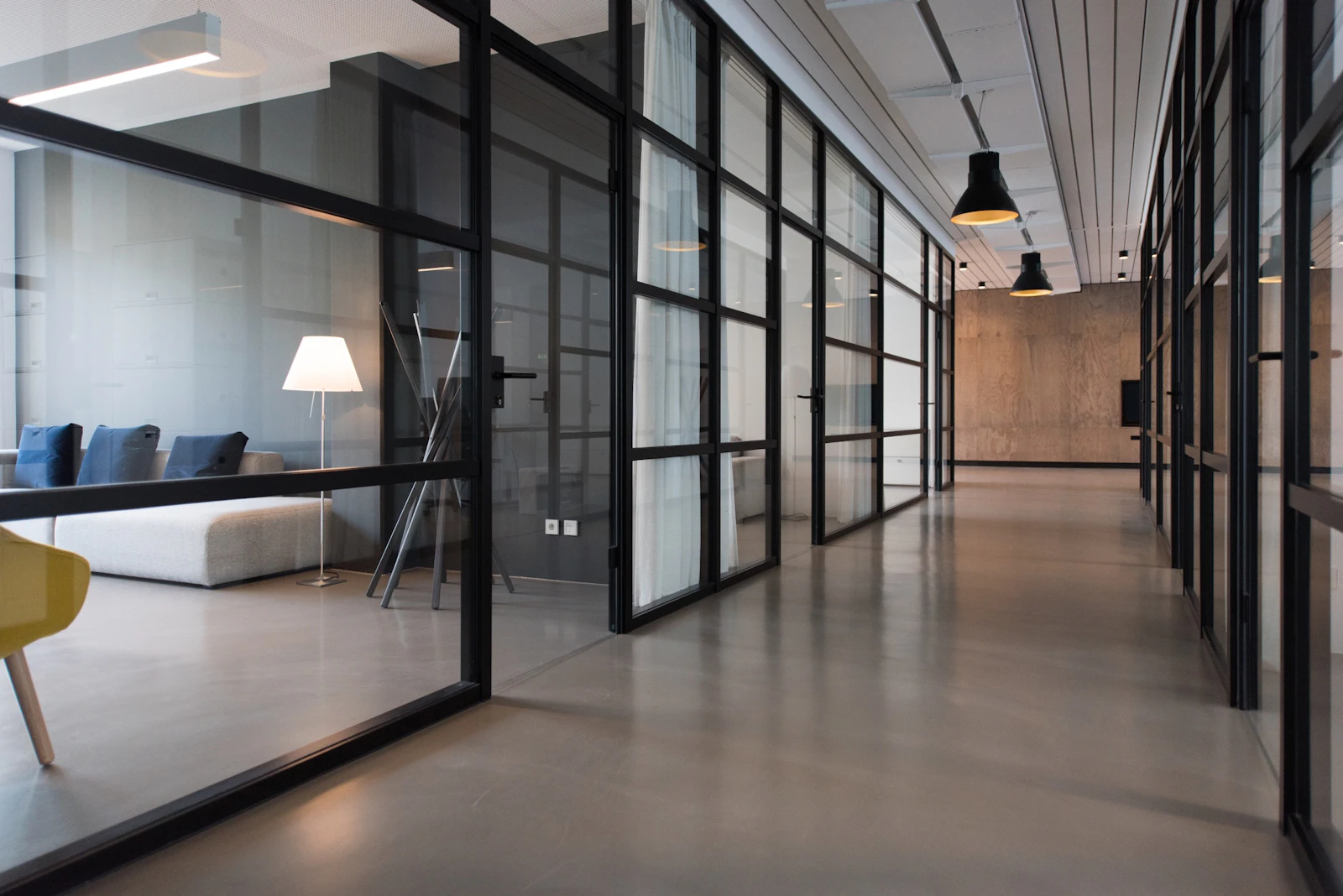
Network cabling designed around the site
Most owners do not want a lecture about IT; they want the phones, applications, files, and security controls to work when the day gets crowded. An inherited environment commonly includes three generations of switches, undocumented shared accounts, consumer-grade wireless equipment, and renewals scattered across several credit cards. For IT and Physical Security for Regulated Food and Beverage Processing in Melville, we establish ownership first: administrative access, licensing, warranties, recovery methods, vendor contacts, diagrams, and a record of the decisions that shaped the environment. Projects are staged away from the production floor whenever possible, with configurations prepared in advance and dependencies confirmed before an engineer arrives on site. For this page, the practical focus is production uptime, traceability systems, harsh environments, temperature and process dependencies, camera coverage, plant access, labeling, and resilient networks, with site and service planning shaped by Long Island's major corporate corridor along Route 110; that changes the order of work and the evidence we expect to collect. A prepared field visit considers parking, access authorization, equipment delivery, telecom-room availability, and whether a change can occur without interrupting customers. The business result should be measurable in fewer interruptions, faster onboarding, predictable spending, stronger insurance answers, and less management time spent mediating between vendors. That is what dependable it and physical security for regulated food and beverage processing in melville looks like in practice: prepared, documented, locally accountable, and connected to the way the business actually runs.
Security cameras, coverage, and retention
The useful question is not whether a system is technically online; it is whether the people in Melville can depend on it without inventing workarounds. During a move or renovation, the difference between a calm opening and a chaotic one usually comes down to carrier dates, cabling records, equipment staging, and honest contingency planning. We baseline the systems that matter, tune alerts so they indicate action rather than noise, and confirm that escalation paths work before a high-pressure event exposes a gap. Support tickets are reviewed for patterns. Five small complaints about slowness may be one capacity issue, while repeated lockouts can point to training, stale devices, or an active security concern. In our experience, regulated food, beverage, packaging, and cold-chain processors operating in and around Melville respond best when the technical reason and the operational consequence are explained together. We account for complex carrier, access-control, and building-management coordination, because the best technical answer on paper can still fail if it does not fit the site and the people using it. Not every risk deserves an immediate purchase. We distinguish a genuine exposure from a preference, then explain what can be accepted, mitigated, transferred, or scheduled. That balance—technical depth, local availability, and business judgment—is the reason experienced companies choose a long-term IT relationship instead of a revolving help desk.
Access control and credential governance
We have learned not to judge a Long Island office by its headcount, because a twenty-person firm can carry the operational complexity of a much larger company. When a company adds a second location, informal permissions and one-off purchasing decisions suddenly become visible as operational problems. Security work includes MFA-resistant thinking, least-privilege access, supported operating systems, endpoint detection, email controls, usable policies, and recovery options an attacker cannot casually erase. Recommendations include the operational reason, expected life, tradeoffs, and total ownership cost; a smaller company deserves the same clarity as an enterprise procurement team. In our experience, regulated food, beverage, packaging, and cold-chain processors operating in and around Melville respond best when the technical reason and the operational consequence are explained together. Local conditions are not decorative SEO details. Around Melville, regional headquarters, finance, healthcare, and technology companies, and those operating patterns change how support coverage and recovery should be designed. Employees notice support quality in small moments: whether the technician remembers the workflow, explains the change without condescension, and follows through after the ticket closes. The standard is simple to describe and hard to fake: know the environment, answer the call, make careful changes, and leave the client in a stronger position.
Alarm systems and escalation procedures
A practical IT plan has to survive real conditions: old telecom rooms, multiple internet carriers, commuting employees, tight deadlines, and the occasional coastal storm. We often walk into offices where the server is healthy but Wi-Fi coverage fades in two rooms, backup alerts go to a former employee, and nobody is certain who owns the firewall account. Microsoft 365 is treated as an operating platform: identity lifecycle, mail flow, retention, Teams, SharePoint, device posture, external sharing, and audit visibility all receive deliberate attention. We schedule recurring reviews to connect technical findings with hiring, office plans, insurance requirements, contracts, and the owner's tolerance for downtime. In our experience, regulated food, beverage, packaging, and cold-chain processors operating in and around Melville respond best when the technical reason and the operational consequence are explained together. For companies operating across Nassau and Suffolk, consistent standards matter more than making every office identical; each location still has its own circuit, building, and work rhythm. A stable environment also makes growth easier. New employees, acquisitions, seasonal staff, and additional offices can follow a known process instead of creating a new exception every time. When the fundamentals are handled this way, technology stops demanding constant attention and becomes a quieter, more useful part of the company.
Cybersecurity and operational boundaries
Technology debt rarely arrives as one dramatic failure. It builds through small shortcuts until an ordinary change becomes unnecessarily risky. A staff member may describe a problem as 'the internet,' even when only a cloud application, DNS path, or wireless segment is affected; careful triage prevents hours of random changes. Remote tools are secured and monitored, but they do not replace field work when a cable, access point, battery, printer, or carrier circuit needs someone physically present. Changes receive a defined owner, maintenance window, rollback path, and plain-English communication so employees know what will happen and whom to call if their workflow behaves differently. A useful recommendation for Melville should name the owner, deadline, dependency, and fallback—not merely the product being proposed. Long Island travel can turn a preventable hardware issue into hours of delay, so sensible spares, remote visibility, and clear hands-on procedures are part of the design. Leadership receives a concise view of open risks, aging systems, recurring incidents, upcoming renewals, and decisions that require business input rather than a pile of tool-generated charts. A good outcome is not a heroic midnight recovery; it is the ordinary work that made the emergency less likely and the recovery less dramatic.
Installation work without unnecessary disruption
Good support begins with understanding how the company earns its living, not with installing an agent and declaring the network managed. A typical call might involve a partner who cannot open a time-sensitive file, a receptionist handling intermittent calls, and a remote employee whose sign-in prompt never completes. Our engineers check identity, endpoint, network, cloud, and recovery layers together because failures rarely respect the boundaries on an invoice. We begin with a useful inventory and a prioritized risk register, then separate urgent corrections from improvements that can be scheduled around budgets and busy seasons. This is especially important for regulated food, beverage, packaging, and cold-chain processors operating in and around Melville, where production uptime, traceability systems, harsh environments, temperature and process dependencies, camera coverage, plant access, labeling, and resilient networks, with site and service planning shaped by Long Island's major corporate corridor along Route 110 can affect customers and staff at the same time. That approach matters in Melville, where large office campuses and multi-tenant corporate buildings; a visit that ignores the building, carrier, and commuting realities is not a complete plan. The business result should be measurable in fewer interruptions, faster onboarding, predictable spending, stronger insurance answers, and less management time spent mediating between vendors. Alpha Computer Group brings that discipline to Melville without forcing every client into the same hardware list or support script.
Documentation for audits and future service
There is a big difference between technology that looks fine on a dashboard and technology that holds up during a busy Monday on Long Island. Storm warnings, utility work, and a cut fiber route can turn an ordinary afternoon into a continuity test, whether management planned for one or not. We baseline the systems that matter, tune alerts so they indicate action rather than noise, and confirm that escalation paths work before a high-pressure event exposes a gap. Vendor coordination is part of the job. We stay with the carrier, software publisher, copier company, or building contact instead of handing the client a case number and disappearing. The relevant local detail is large office campuses and multi-tenant corporate buildings, so planning cannot be reduced to a generic remote checklist. We account for complex carrier, access-control, and building-management coordination, because the best technical answer on paper can still fail if it does not fit the site and the people using it. The goal is not to eliminate every incident. It is to reduce preventable failures, contain surprises, and recover with a level of speed the company can afford and explain. That balance—technical depth, local availability, and business judgment—is the reason experienced companies choose a long-term IT relationship instead of a revolving help desk.
Choosing one accountable local partner
We have learned not to judge a Long Island office by its headcount, because a twenty-person firm can carry the operational complexity of a much larger company. An inherited environment commonly includes three generations of switches, undocumented shared accounts, consumer-grade wireless equipment, and renewals scattered across several credit cards. Network decisions are documented down to addressing, VLAN purpose, switch uplinks, wireless placement, firewall policy, carrier handoffs, and the reason a nonstandard exception exists. Documentation is updated as work is completed, not six months later when the details have faded and the person who made the change is unavailable. For this page, the practical focus is production uptime, traceability systems, harsh environments, temperature and process dependencies, camera coverage, plant access, labeling, and resilient networks, with site and service planning shaped by Long Island's major corporate corridor along Route 110; that changes the order of work and the evidence we expect to collect. Local conditions are not decorative SEO details. Around Melville, regional headquarters, finance, healthcare, and technology companies, and those operating patterns change how support coverage and recovery should be designed. Not every risk deserves an immediate purchase. We distinguish a genuine exposure from a preference, then explain what can be accepted, mitigated, transferred, or scheduled. The standard is simple to describe and hard to fake: know the environment, answer the call, make careful changes, and leave the client in a stronger position.